

Landscaping and hardscaping cover an enormous range of work — from a simple garden cleanup to a full backyard transformation involving retaining walls, interlock driveways, drainage systems, and planting design. It’s also a trade where the gap between a professional result and a disappointing one is wide, and where the consequences of poor work — drainage failures, shifting interlock, retaining walls that fail structurally — are expensive and sometimes dangerous to fix.
It’s also one of the categories most prone to seasonal fly-by-night operators. Every spring, unlicensed crews appear offering cheap landscape work with no portfolio, no insurance, and no accountability when the interlock starts heaving after the first frost.
The questions in this guide are organized by stage and by project type. They apply whether you’re hiring for a spring cleanup, a new interlock patio, a retaining wall, a drainage solution, or a full soft landscaping design.
“Hardscaping is engineering as much as it is aesthetics. A retaining wall is a structural element. An interlock driveway is a drainage system as much as it’s a surface. When those things fail, it’s rarely because the stone looked wrong — it’s because the base preparation was inadequate, the drainage wasn’t designed properly, or the structural requirements weren’t understood. The questions that protect homeowners are the ones about what’s underneath and what happens to the water.”
— Stefan from Nova Landscaping, landscaping and outdoor construction specialist with 15 years of experience providing interlocking, concrete, retaining wall, and exterior landscaping services across Toronto, focused on quality workmanship, durable solutions, and customer satisfaction
Table of Contents
Before You Call Anyone
What type of work do you actually need?
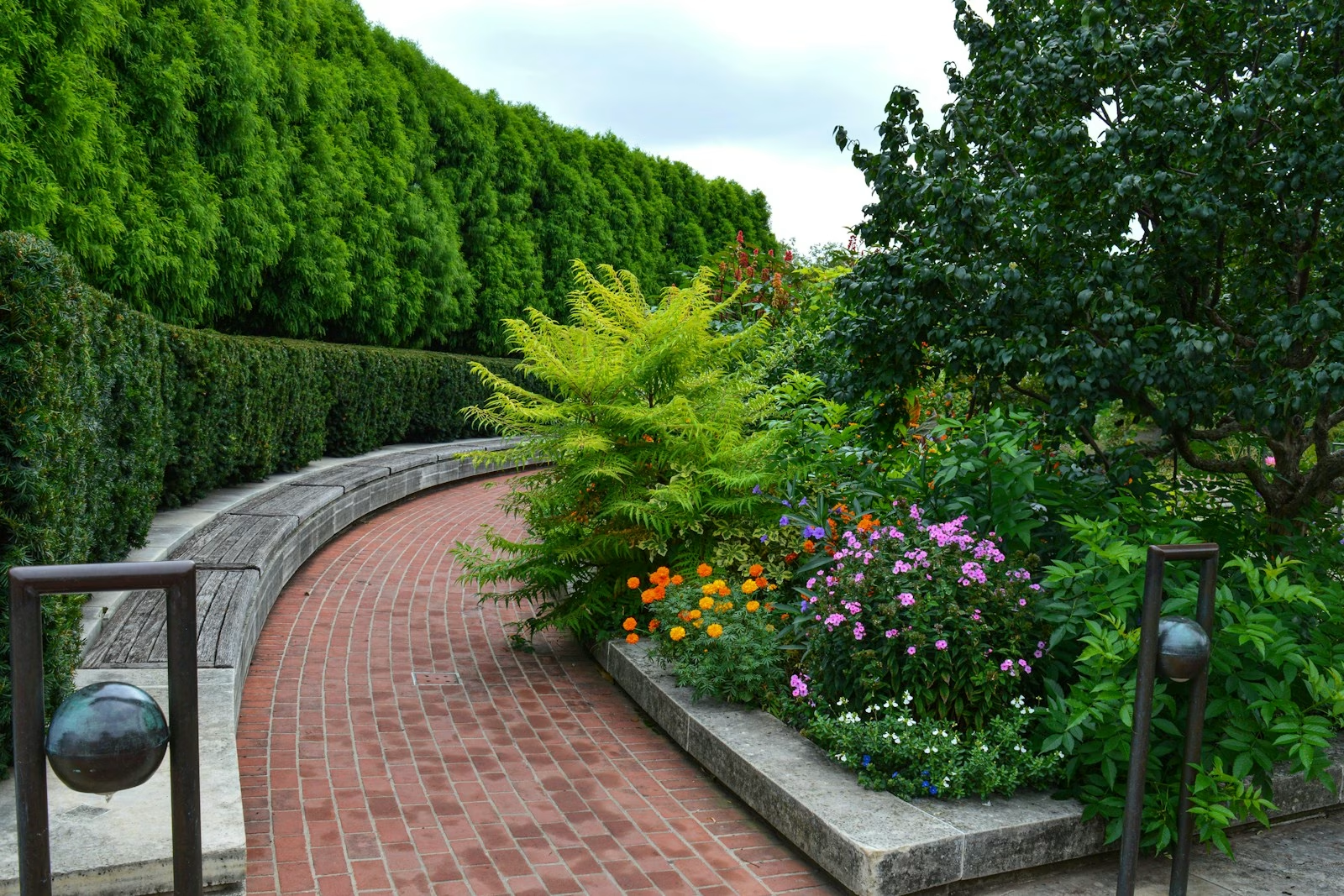
Landscaping and hardscaping are often treated as a single category, but they involve different skills, sometimes different contractors, and very different considerations:
Soft landscaping: Planting, lawn installation, garden beds, tree and shrub installation, sod, irrigation. Aesthetic in nature; most failures are recoverable.
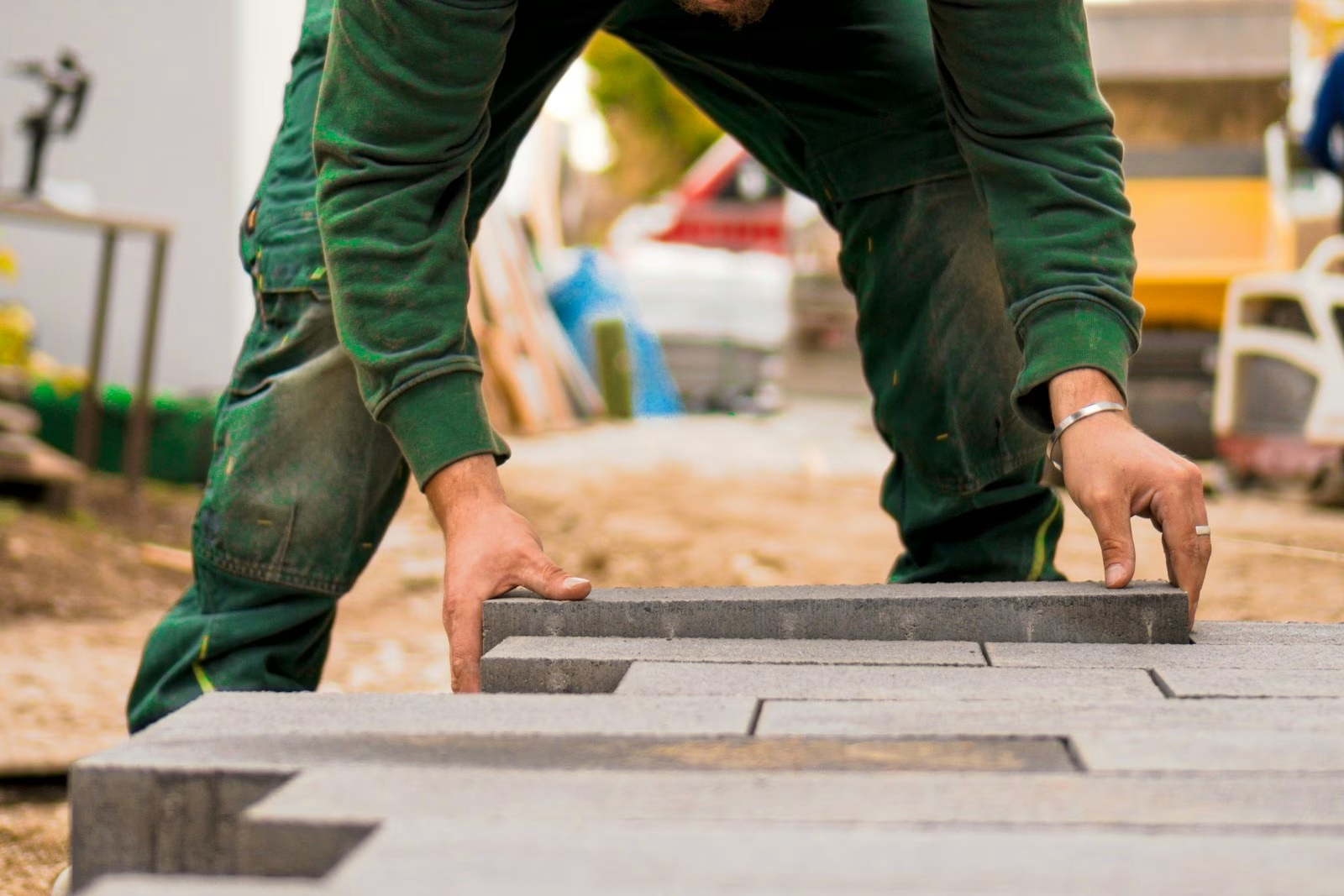
Hardscaping: Interlock pavers (patios, driveways, walkways), natural stone, concrete, retaining walls, steps, outdoor structures. Structural in nature; failures are expensive to fix and sometimes require complete teardown and rebuild.
Drainage and grading: French drains, catch basins, lot grading, swales. Infrastructure in nature; failures can cause flooding, foundation damage, and landscape destruction.
Understanding which category — or combination — your project falls into determines who to hire and what questions to ask.
Is drainage a factor in this project?
Before any hardscaping work, consider where water goes. Every hard surface redirects water that used to soak into the ground. A new patio that sheds water toward your foundation, or a new driveway that concentrates runoff onto a neighbor’s property, creates problems that are expensive to fix after the fact. Raise drainage as a topic with every contractor before work begins.
Questions to Ask Before Hiring
Are you a licensed business with insurance and workers’ compensation coverage?
Landscaping and hardscaping don’t carry a mandatory regional trade licence in many regions, but any legitimate contractor should operate as a registered business with a valid tax-registration number. For hardscaping and any work involving heavy equipment or heights (retaining walls), liability insurance is essential. Workers’ compensation coverage protects you if a crew member is injured on your property.
Ask for a certificate of insurance and a workers’ compensation coverage Clearance Certificate and verify both.
What a good answer looks like: A registered business with a verifiable tax-registration number, liability insurance, and workers’ compensation coverage clearance.
Are you a member of a recognized landscaping trade association or a regional association?
A recognized landscaping trade association (LO) is the regional professional association for the landscaping industry. LO members agree to a code of ethics and many hold professional designations — Landscape Industry Certified (LIC) is the most recognized credential in the trade. Ask whether the contractor or their key employees hold LIC designation.
What a good answer looks like: Active a recognized landscaping trade association membership, with LIC designation held by the contractor or lead crew member.
Do you specialize in this type of work?
Soft landscaping and hardscaping are genuinely different trades. A contractor who excels at garden design may have limited experience with structural interlock installation. A hardscaping crew that builds excellent retaining walls may have no expertise in planting design. Ask specifically what percentage of their work involves the type of project you’re hiring for.
What a good answer looks like: Clear specialization in your project type, with references from comparable recent work.
Can I see examples of completed projects similar to mine?
Ask for photos or site visits to completed projects similar to yours — specifically in scale, material, and complexity. For retaining walls, ask to see walls that have been in place for two or more winters. For interlock, ask to see driveways or patios that have gone through at least one freeze-thaw cycle.
For a full guide: Questions to Ask a Landscaper for References and Past Work
Questions About the Quote and Design
Is a design included in the quote?
For anything beyond simple maintenance or planting, a proper landscape or hardscape project should begin with a design — a scaled drawing that shows layout, dimensions, materials, grades, and drainage. Ask whether a design is included or whether it’s a separate fee.
A contractor who will install a significant hardscape without a design is skipping an important planning step.
What a good answer looks like: A scaled design drawing included for any project above a defined complexity, reviewed and approved before installation begins.
What base preparation is included for hardscaping?
This is the most important question in any hardscape quote. Interlock, natural stone, and concrete installations all require a properly prepared base — compacted granular material of appropriate depth — to perform correctly over time. An inadequate base is the primary cause of interlock heaving, settling, and shifting.
Ask specifically: what depth of granular base is being installed, what material, how will it be compacted, and does this meet the standards for your specific application?
For more: Questions to Ask a Hardscaping Contractor About Base Preparation and Drainage
What a good answer looks like: A specific base depth (typically 6–12″ for driveways, 4–6″ for pedestrian patios), specific material (crushed limestone, HL3, etc.), and compaction method specified in writing.
What is included and excluded in this quote?
Ask explicitly whether the quote includes: removal and disposal of existing materials, grading, drainage solutions, delivery of materials, installation of edging, sealing (for interlock), plant material (for soft landscaping), and cleanup. Each of these can be excluded from a lower quote.
How will drainage be managed?
Every hardscape project has a drainage design — even if it’s just the slope of a patio surface. Ask specifically:
- What slope is being built into the patio or driveway to direct water away from the house?
- Where does water go at the edge of the hardscape?
- Is any additional drainage infrastructure (catch basins, French drains) required?
- Will the new hardscape affect drainage patterns on adjacent property?
For more: Questions to Ask a Hardscaping Contractor About Base Preparation and Drainage
For more on quotes: Questions to Ask When Getting a Landscaping or Hardscaping Quote
Questions Specific to Retaining Walls
Retaining walls are structural elements, not just aesthetic features. A wall that fails can damage property and injure people.
Is this wall engineered, and does it require a permit?
Retaining walls above a certain height — typically 0.6m (2 feet) in many regions, though it varies by municipality — may require a building permit and in some cases structural engineering. Ask the contractor whether your proposed wall height triggers permit or engineering requirements.
What a good answer looks like: A clear answer about whether the wall height requires a permit or engineering, with the contractor taking responsibility for obtaining permits if required.
What type of wall system is being used?
Segmental retaining walls (interlocking concrete blocks like Unilock, Techo-Bloc, Versa-Lok), natural stone walls, timber walls, and poured concrete walls all have different structural properties, design requirements, and lifespans. Ask what system is being proposed, why it’s appropriate for your site conditions and wall height, and what the expected lifespan is.
For more: Questions to Ask a Hardscaping Contractor About Retaining Walls
Questions About Warranties
What warranty do you offer on your work?
For hardscaping, a professional contractor should offer a written warranty on workmanship — covering base failure, settlement beyond a defined threshold, and wall movement that isn’t caused by external forces (roots, frost heave in an inadequately designed system, etc.). One to two years minimum is standard.
For soft landscaping, a reasonable plant warranty (90 days to one year on shrubs and perennials) is industry standard from reputable landscape companies.
For more: Questions to Ask a Landscaper About Warranties and Plant Guarantees
Red Flags to Watch For
No base depth specified in the quote. Any hardscape quote that doesn’t specify the base depth and material is hiding the most important cost driver — and the most important quality indicator.
No mention of drainage. A contractor who doesn’t raise the question of where water goes is not thinking about the project’s long-term performance.
Quote significantly lower than others. Hardscaping shortcuts are almost always in the base — less material, less compaction, less depth. These shortcuts are invisible at installation and catastrophic after the first winter.
Retaining wall proposed without mention of permits or engineering. Walls above certain heights are structural elements with permit and engineering requirements. A contractor who doesn’t raise this is either unaware or planning to skip it.
No portfolio of completed work available. A hardscaping contractor without photos of completed projects — or who can’t offer references from work that’s been in place for two or more years — has limited track record to evaluate.
For a full guide: Red Flags When Hiring a Landscaper or Hardscaping Contractor
Before They Start: A Quick Checklist
- Business registration and insurance verified
- Workers’ compensation coverage clearance verified
- A recognized landscaping trade association membership and LIC designation confirmed where applicable
- Written quote with specific materials, base depth, drainage plan, inclusions, and exclusions
- Design drawing reviewed and approved for significant projects
- Permit requirements discussed and confirmed
- Payment schedule agreed in writing
- Warranty terms in writing
Related Questions
- Questions to Ask a Landscaper for References and Past Work
- Questions to Ask When Getting a Landscaping or Hardscaping Quote
- Questions to Ask a Hardscaping Contractor About Base Preparation and Drainage
- Questions to Ask a Hardscaping Contractor About Retaining Walls
- Questions to Ask a Landscaper About Soft Landscaping and Planting
- Questions to Ask a Landscaper During the Job
- Questions to Ask a Landscaper About Warranties and Plant Guarantees
- How Much Does Landscaping and Hardscaping Cost ?
- Red Flags When Hiring a Landscaper or Hardscaping Contractor
- What to Do If a Landscaper or Hardscaping Contractor Does Bad Work
Have a question we didn’t cover? Submit it below.